Working at Inkomu’s First Satellite Site
Part of BonDiv’s work includes going around 50-100km away from the main site (which for me is Inkomu) and studying a new group of bonobos for two months (which we call a ‘satellite site’) so as to have comparable data. As much as I liked Inkomu, I was also curious to see other forests and work with new people, and so I asked to go and work in the first satellite site. Each main site was to have two satellite sites.
When one looks at Salonga National Park on the map, they see a pair of lungs. There is the northern block – where I have been working for the past year, a corridor in between, and the southern block – where I am now for the satellite site.
We chose the initial area for the satellite site based on an occupancy study done by Chengeta (an NGO that also works in the park mainly on aspects relating to anti-poaching operations and ranger capacity building) in 2025 that revealed a strong bonobo presence. The zone was close to Monkoto, which is one of six ecoguard stations in the park.
We prepared all work material and personal affairs that were to accompany us to Monkoto, and Gaby – an assistant with whom I worked at Inkomu – and myself departed for the new adventure. We took the pierrogue to the ecoguard station closest to Inkomu called Yokelelu and spent the night there. It was meant to be a mere one hour ride down the river but we arrived four hours later due to troubles with the outboard.
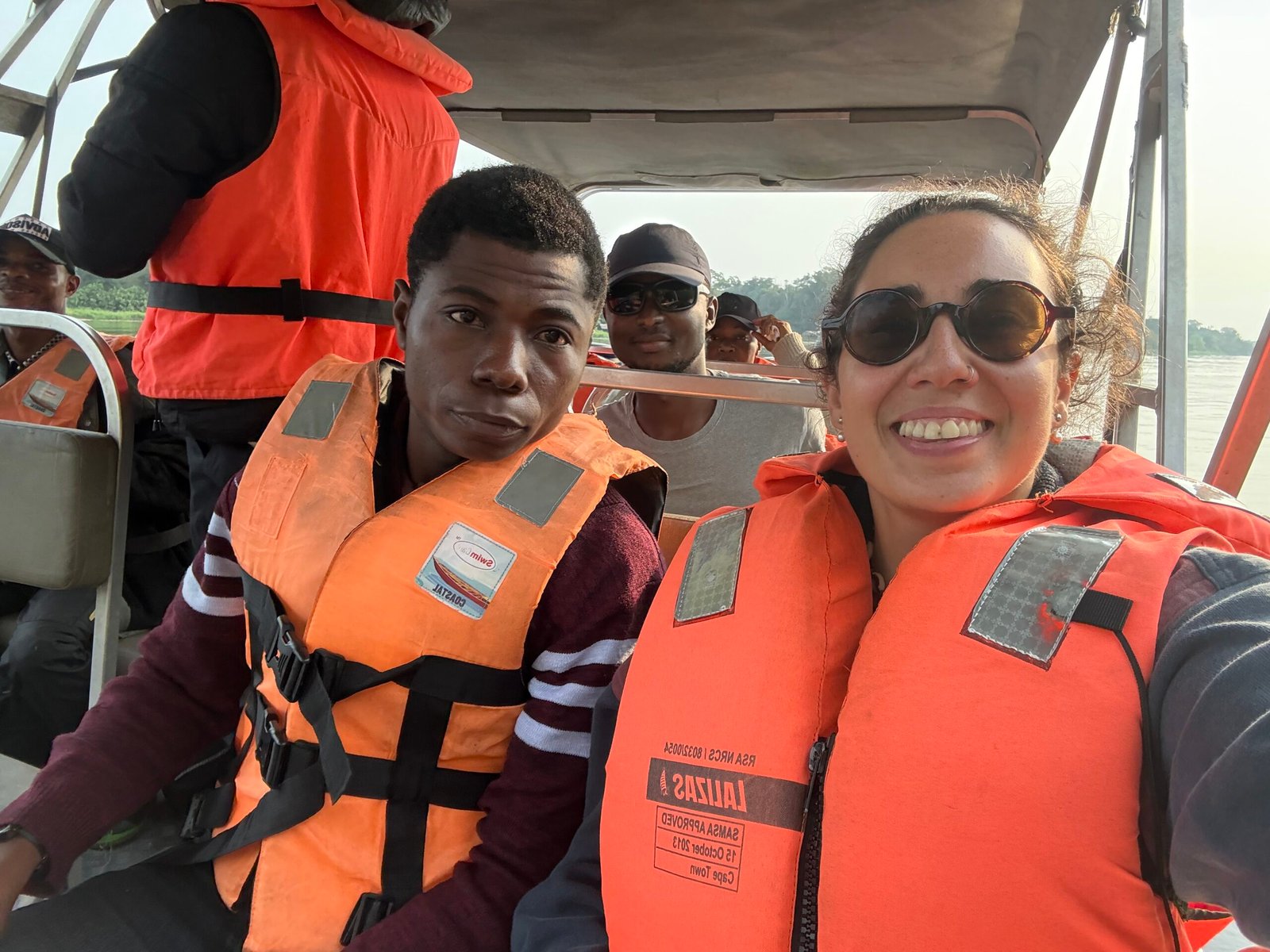
The next day we took the speedboat to Boende – the capital of the Tshuapa province – a journey of around 400km due to the meandering Congo river. We stayed there for two nights to buy all the necessary things for the mission to come. We bought lamps, batteries, food containers, spoons, medicine, among other essentials.
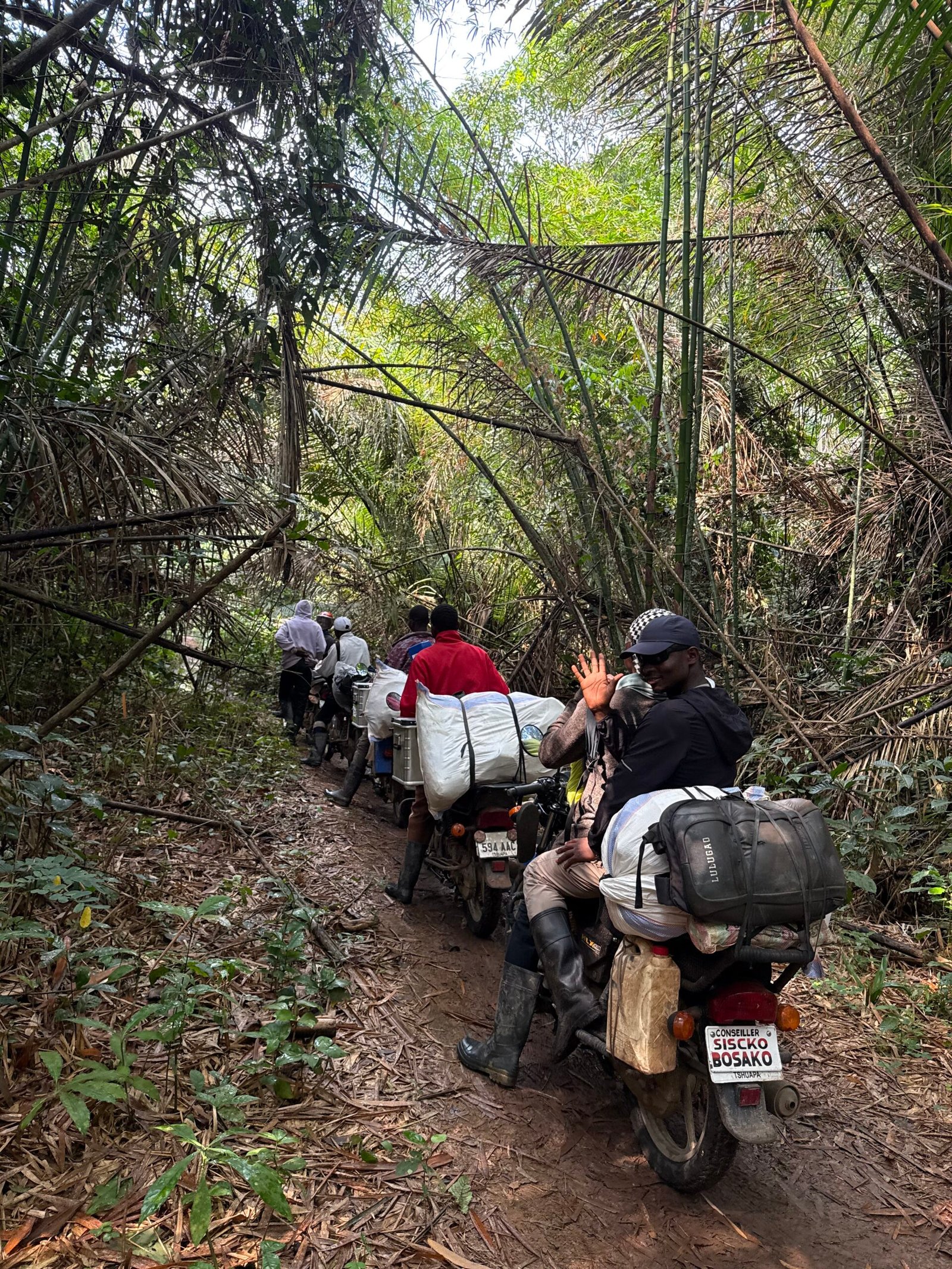
We strapped all our luggage onto the motorcycles and started our two day trip to Monkoto. In between we slept at another of Salonga’s ecoguard stations called Watsikengo. The trip on the motorcycle was a particularly tiring one. It was full of mud and broken wooden bridges that demanded concentration and skill of the drivers. We also had to cross three rivers – Lomela, Salonga, and Loille – which meant putting the motorcycles in pierrogues and taking them out each time which was also quite the task. Arriving at Monkoto after sitting between the driver and the luggage for so many hours, I felt like I had forgotten how to walk.
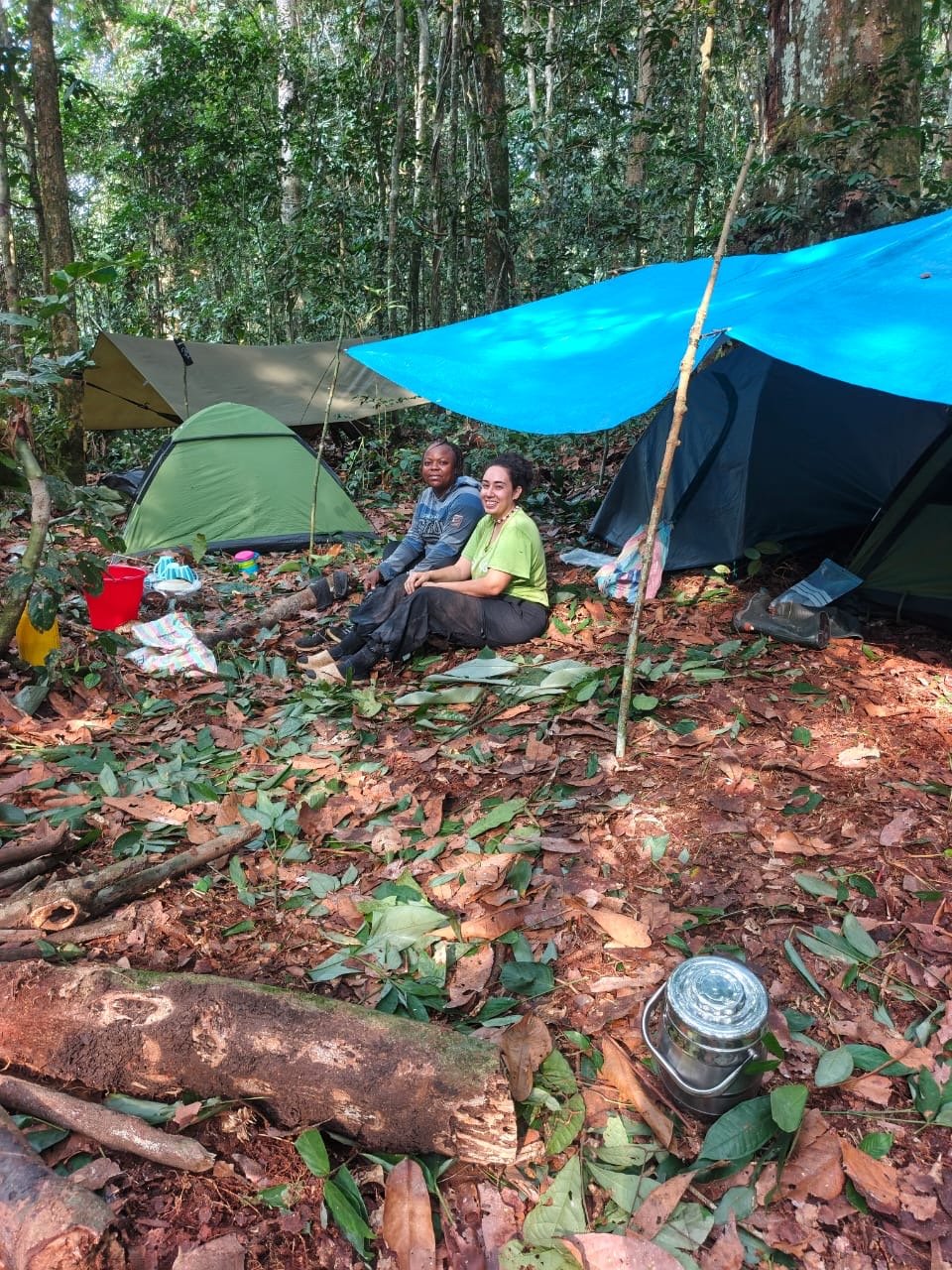
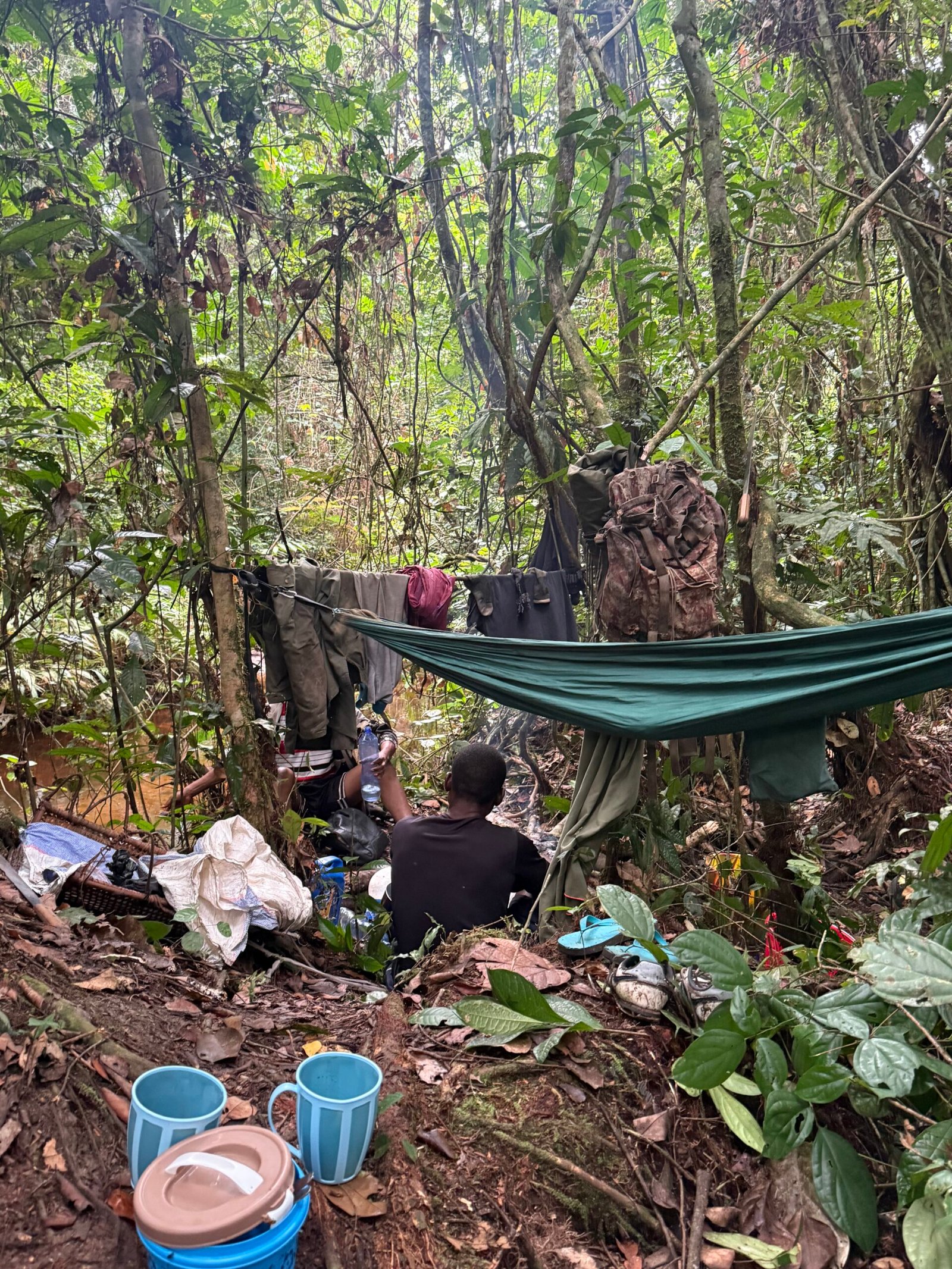
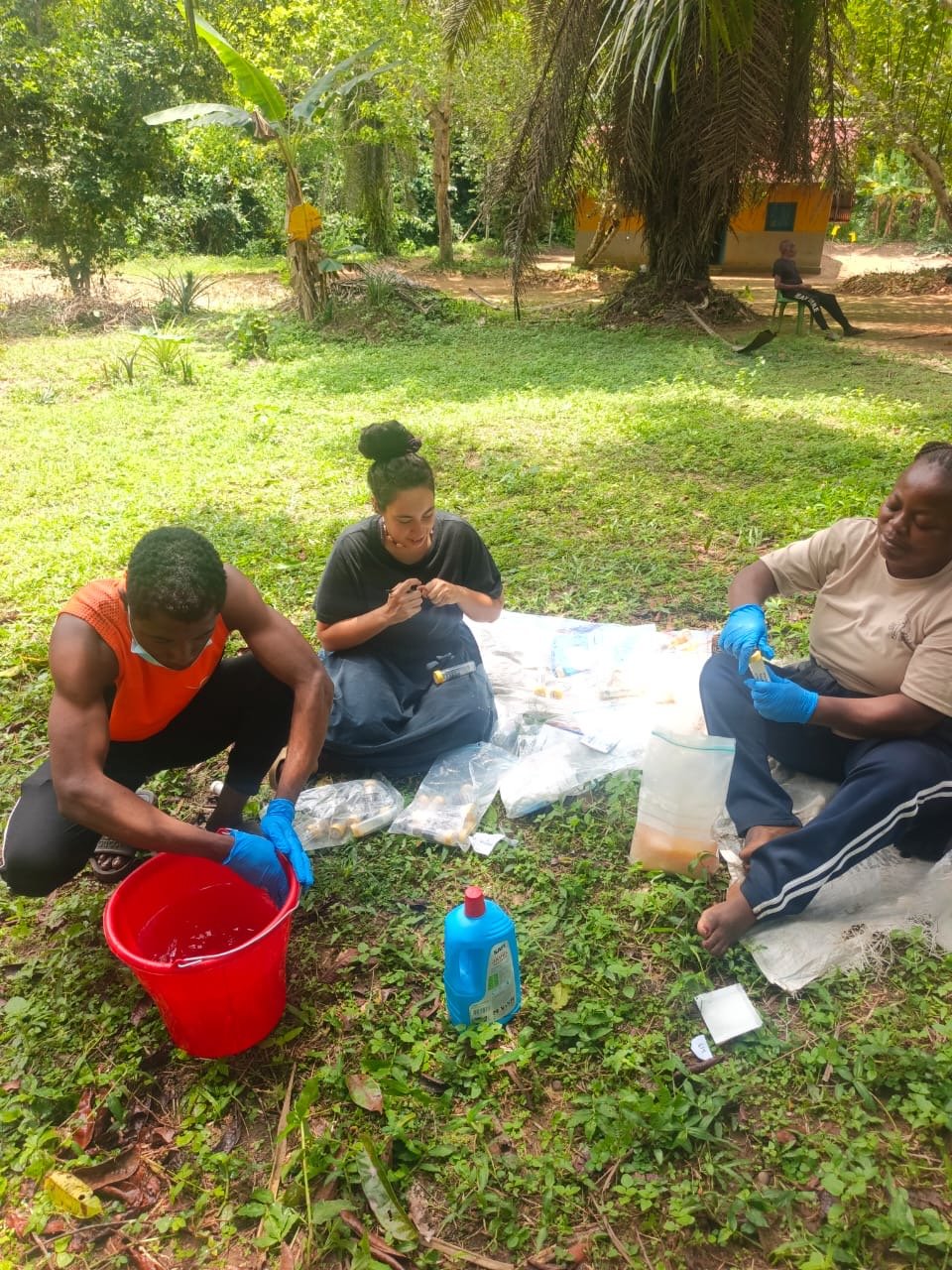
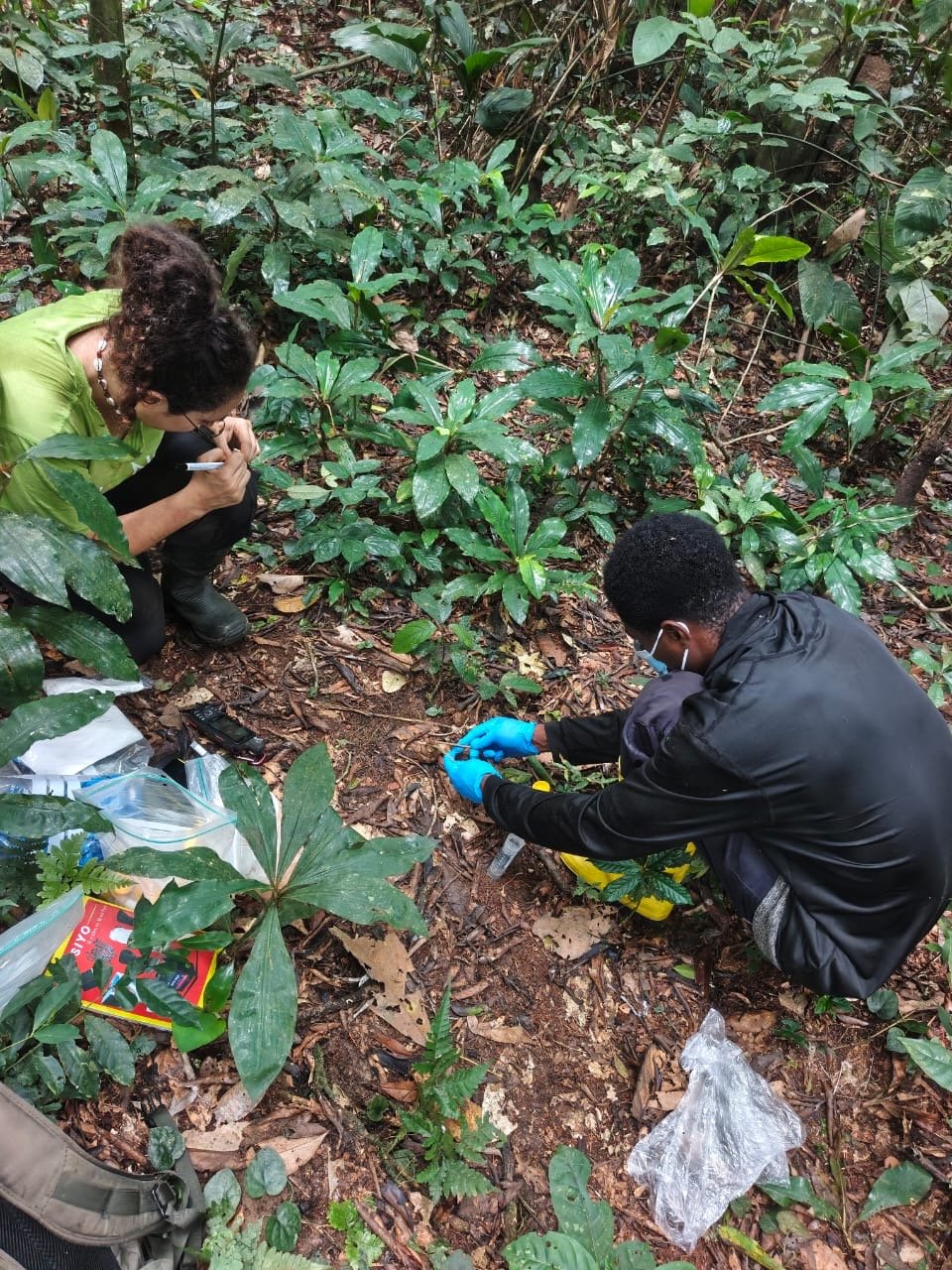
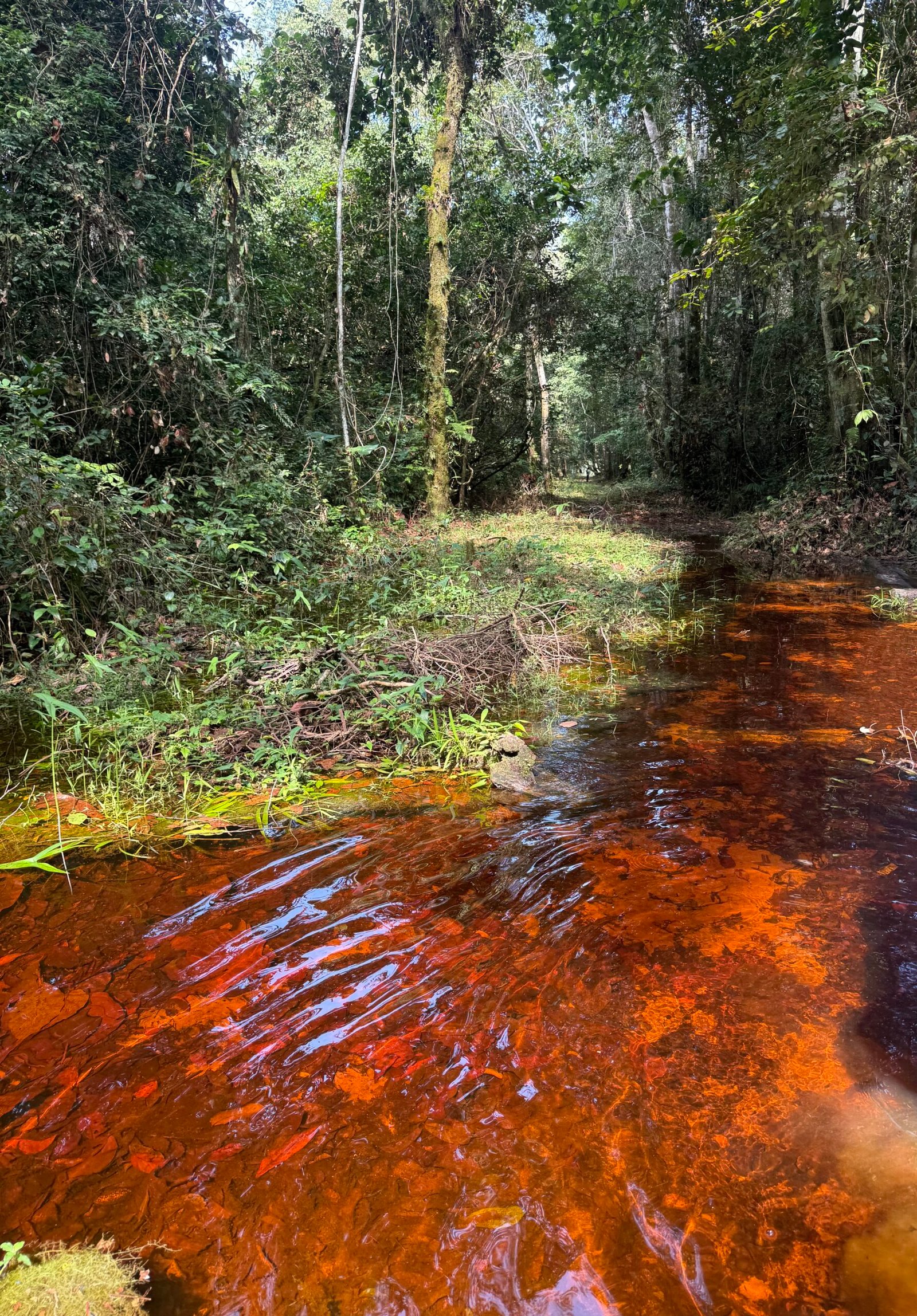
We regathered our strength and the food ration and went out for the first prospection mission which lasted eleven days. We hired local community members to help us transport our equipment to the forest where we made ourselves a small base camp close to a river. In these early days we focused on finding the bonobos themselves, or at the very least, an indication of their presence. This could have been their vocalisation, seeing their nests, feeding signs, or even seeing them on the camera traps we had placed. In the immediate vicinity of our base, we did not find any signs. So we then started to walk with our tents to install cameras and scout areas even further away, but we still didn’t find anything promising. We slept in beautiful swamps and fine pristine parts of the forest, and despite all the hardships that fieldwork comes with, I appreciated these moments very much.
We went back to Monkoto and decided to go to another part of the forest which was also known for its presence of bonobos. It was a patrol site called Lokofa in which there are also ecoguards permanently stationed. There was some old infrastructure left over from when it was an operating site of the Wildlife Consevation Society (WCS). I placed my tent in the empty meeting room and slept with the rats that lived between the wooden planks and the corrugated metal roof. We didn’t see each other often, but we both knew of the presence of the other.
Everyone had warned me that Lokofa was une zone très, très marécageuse – a very swampy zone, and I did well to believe them. We had found a lot of bonobo feeding signs, particularly their leftover Megaphrynium macrostachyum shoots (known locally as beya) in the stretch of terra firma that found its home between two swamps. And so we frequented these area heavily and even slept several nights there to increase our chances of seeing the bonobos. Although bonobos generally prefer to build their night nests in terra firma forest, they also use swampy areas for other activities.
During the first weeks at Lokofa we didn’t have much luck. But eventually, we started finding their feeding signs, their faeces, and other signs such as a footprint and a tree that was broken off by brute force. On one particular day, we were just a few hours behind. We had found their dried urine on Marantacea leaves, it’s strong odour and dark colour characteristic of the bonobo, not to mention it was in a zone where they had left us several other clues of their visit. So far, we have managed to see them once! We have not yet captured them on our cameras, but we have seen the most extravagant birds bathing in the rivers, a red river hog missing its tail, and an impressive civet, among other critters.
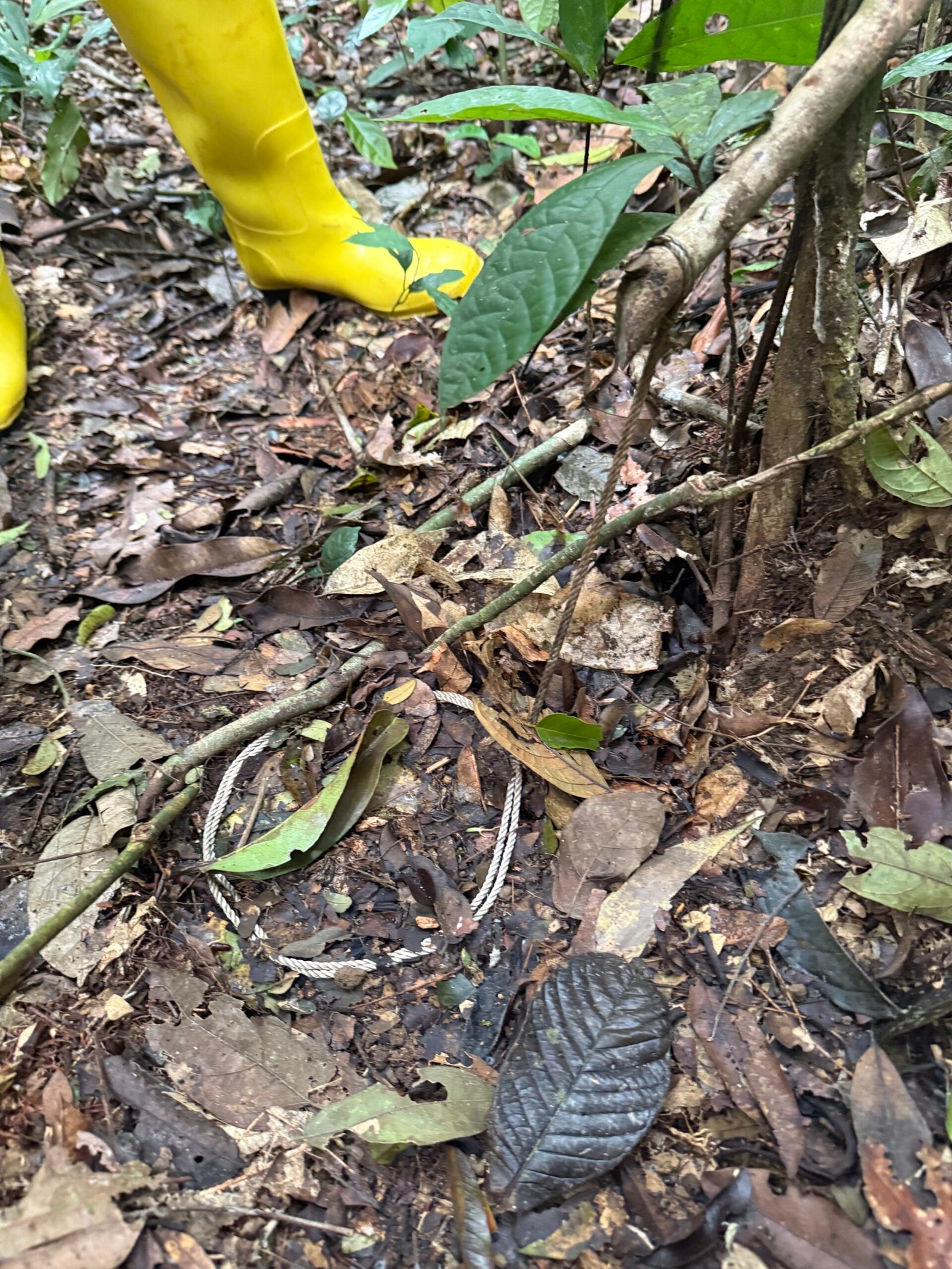
In the same zone which bonobos call home, we have also found four wire traps, all of which we dismantled and all of which were thankfully empty.
As I am writing this, we have a little over three weeks left before the first satellite site comes to a close. I have made many new friends, all kind and gentle faces, and have walked in the paths that were conveniently made for us by the elephants that roam in this area.
Cosied up in my tent, hearing the rain splatter on the aluminium roofing, I close my eyes to get a good night’s rest as tomorrow the search for the beautiful elusive creature we call bonobo continues.
October 2026, by Francesca Grillo.